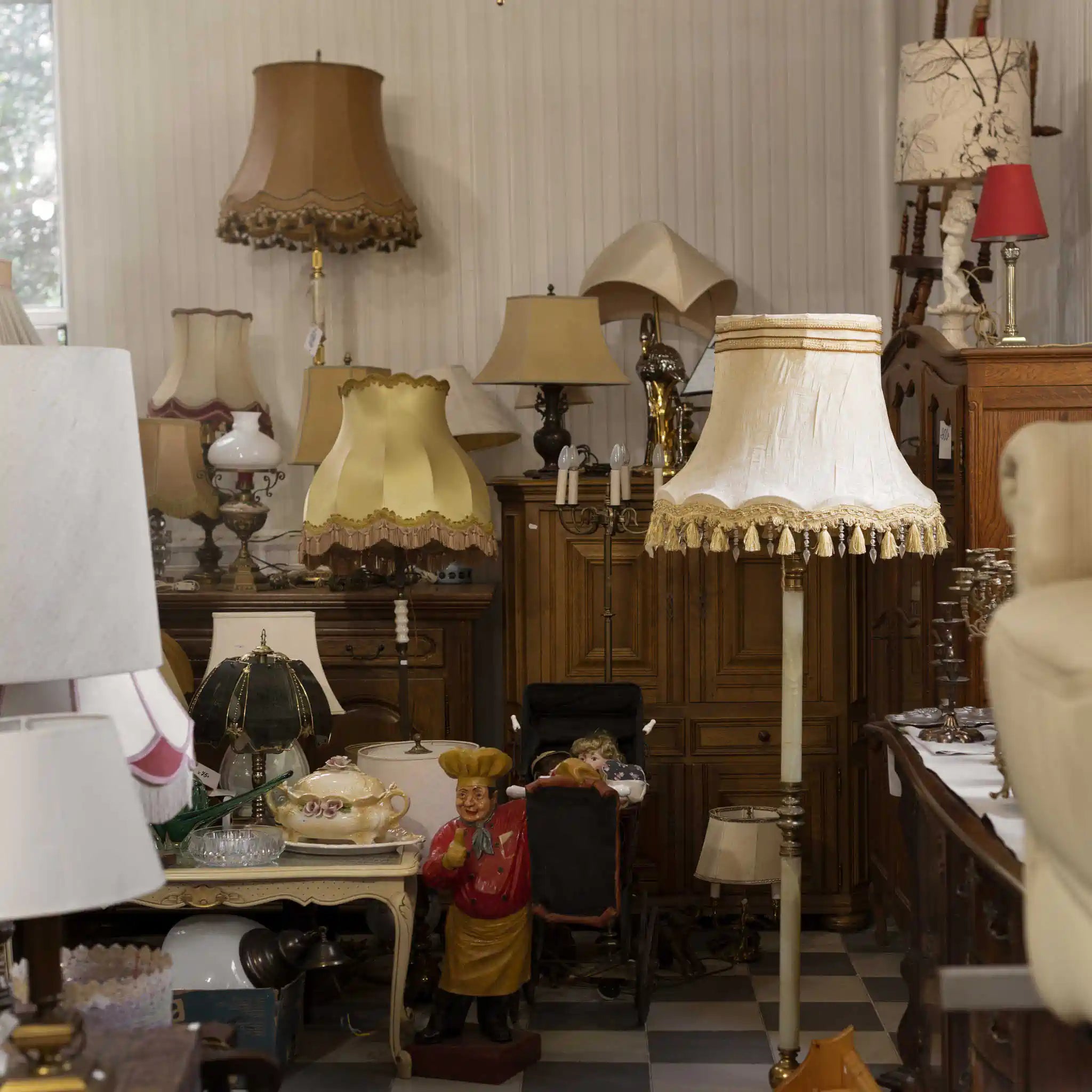




Hello! This is reuse select shop Fynd.
Have you ever thought, ``I want to make my room more stylish, but I don't want the same interior as everyone else...''? For those of you, we highly recommend coordinating your home with unique and warm retro furniture.
This time, we'll give you plenty of easy-to-understand tips for retro furniture beginners to transform your room into a great one!
What is retro furniture?
Retro furniture is furniture that was mainly made from the 1950s to the 1980s and is both nostalgic and modern. In recent trends, the popularity has been rapidly increasing, especially among the younger generation, who say that it is warm and unique, and that they can enjoy an interior that is different from other people's.
It has a unique texture that is not found in new furniture, and its durable construction made by craftsmen is attractive. Additionally, as environmental awareness increases, interest in reuse and recycling is also attracting attention.
Types and characteristics of retro furniture
1. Showa Retro (1950s-1980s)
Features: Warm wood, rounded shapes, warm colors such as orange and brown
- Chabudai, low table
- Japanese-Western sideboard
- retro telephone stand
2. Mid-century modern (1940s-1960s)
Features: Simple and functional, balance between straight lines and curves, teak and walnut wood
- Eames chair style chair
- low table with thin legs
- geometric pattern fabric
3. Scandinavian Retro (1950s-1970s)
Features: Bright wood, simple design, emphasis on functionality and beauty
- Scandinavian style dining chair
- light colored sideboard
- simple pendant light
Coordination examples by room
Living room: Creating a relaxing space
Showa retro style The main area has a low sofa and a low table. Add accents with warm-colored cushions and blankets. Place a retro sideboard against the wall to display your favorite accessories.
Placement points
- Lower your line of sight by aligning furniture heights
- Unified wood color (dark brown)
- Create a mood with indirect lighting
Compatible accessories
- Enamel kettle and tableware
- record jacket
- Ornamental plants (sansevieria, rubber tree)
mid century style A sofa with narrow legs and a low table create a clean impression. Add a sense of fun with geometric patterned rugs and cushions.
Placement points
- Show off the legs of your furniture to create a sense of openness
- Layout with a straight line in mind
- Monotone + 1 accent color
Dining: Make mealtime special
scandinavian retro style Pair a bright wood dining table with chairs with colorful seats. Illuminate the table with pendant lights to create a mood for mealtime.
Placement points
- The table size should be less than 1/3 of the room.
- The chairs have the same design but are stylish in different colors.
- The height of the pendant light is 60-70cm
Compatible accessories
- Scandinavian tableware (Arabic, Iittala style)
- linen or linen table runner
- Ornamental plants (pothos, ivy)
Bedroom: Enriching your private space
Showa retro x modern mix A retro side table is placed on a low bed frame. Indirect lighting creates a calm atmosphere.
Placement points
- Keep the area around the bed minimal
- You can change the height of the side table on the left and right sides.
- Choose a material with a heavy feel for the curtains
Compatible accessories
- antique style clock
- Indirect lighting (table lamp)
- dried flowers
Material/color combination techniques
Differences in impression depending on the type of wood
- Teak wood: Luxurious, adult-like
- Oak wood: natural, friendly
- Walnut material: chic, modern
Basics of color coordination
70:25:5 rule
- Base color 70% (walls, floors, large furniture)
- Assorted colors 25% (sofa, curtains)
- Accent color 5% (cushion, accessories)
Color combinations that go well with retro furniture
- Warm colors: Orange x brown x beige
- Cool colors: Turquoise x Gray x White
- Earth color: Khaki x Terracotta x Cream
golden rules of placement
1. Secure flow lines
Ensure a passage of at least 60cm between furniture. Especially for dining rooms, it is best to use a height of 80 cm or more, taking into account the possibility of moving chairs in and out.
2. Create a line of sight
By not placing furniture along all the walls and creating gaps in some areas, you can create a sense of spaciousness in the space.
3. Create height differences
By adjusting the height of the furniture, a rhythm is created in the space.
Compatibility with houseplants
The following ornamental plants go well with retro furniture.
large plants
- Ficus bengalensis (excellent presence)
- Umbellata (soft impression)
medium sized plants
- Monstera (more retro feel)
- Sansevieria (sharp impression)
small plants
- Pothos (fits anywhere)
- Ivy (beautiful hanging)
Care and maintenance
Tips for using retro furniture for a long time
wooden furniture
- Remove dust with regular dry wiping
- Oil maintenance once or twice a year
- Avoid direct sunlight
fabric
- Carefully clean with a vacuum cleaner
- The golden rule is to deal with dirt as soon as possible.
- Consider professional cleaning
Summary
When coordinating with retro furniture, it is important to understand the historical background and arrange it to suit modern life, rather than just placing old items.
The key to success is...
- Selection of colors and materials with a sense of unity
- Ensuring appropriate placement and flow lines
- Harmony with accessories and plants
Would you like to create a special space that is different from anyone else's with unique retro furniture?
Fynd, a reuse select shop, carries a large selection of carefully selected antique and vintage furniture. Please come to our store to see, touch, and find the perfect item for your room. Our experienced staff can also advise on coordination.